 EN


What Makes Personalized Paper Bags Valuable for Brand Communication
2026/10/15
How custom paper bags transform packaging into powerful brand touchpoints—driving recognition, loyalty & social shares. Discover proven strategies now.
2026/10/01

Modern packaging demands balance between protection, cost, and operational efficiency. A foldable card paper box represents a strategic solution that transforms how businesses handle product containment and distribution. Unlike rigid boxes or traditional packaging formats, foldable designs compress during storage and shipping, then deploy into functional containers on demand. This approach addresses three critical pain points in modern logistics: warehouse space constraints, shipping weight limitations, and assembly time reduction.
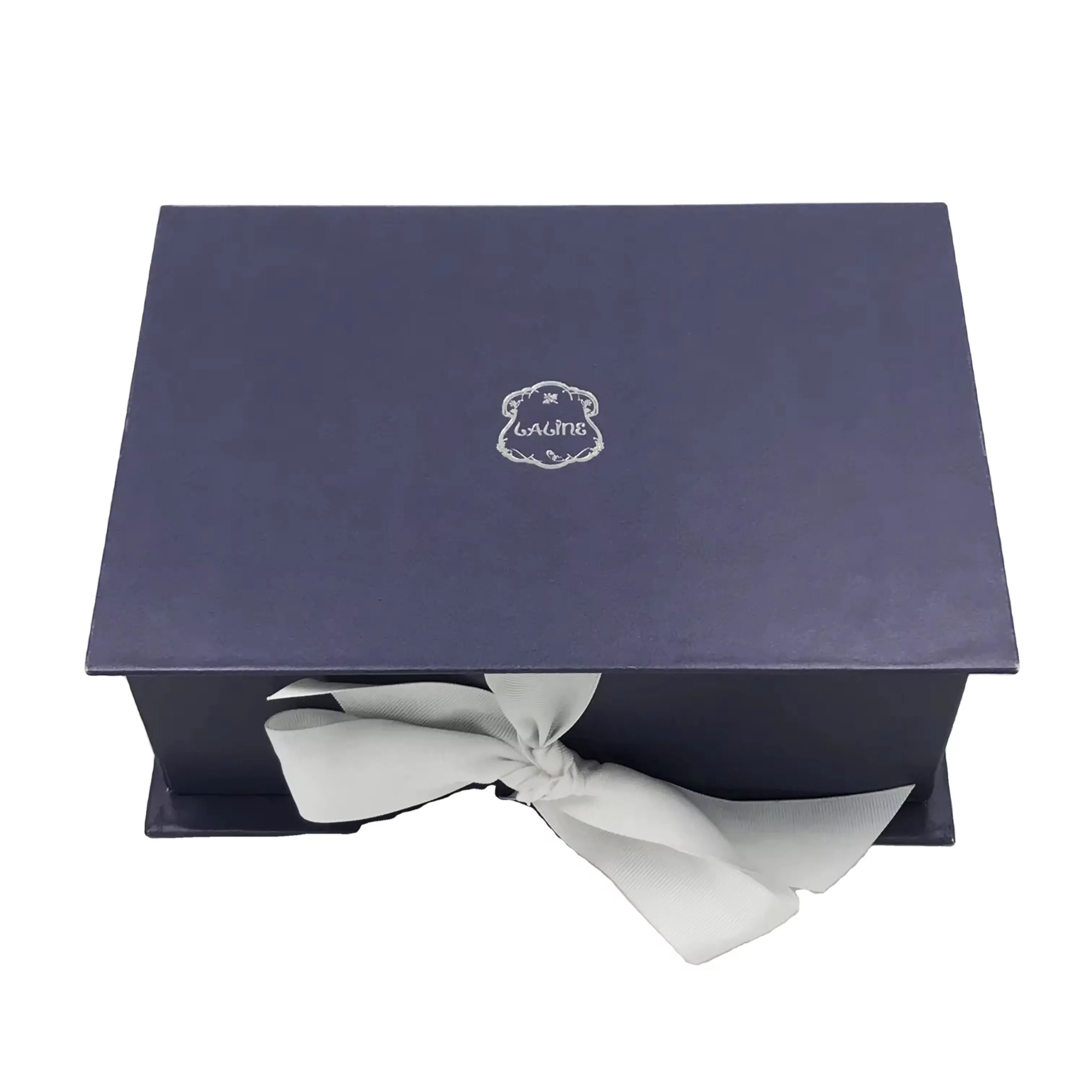
The industrial packaging sector increasingly recognizes that design choices directly impact bottom-line profitability and operational speed. Foldable card paper box systems consolidate multiple functions into single-source solutions that reduce component complexity, lower inventory overhead, and accelerate fulfillment cycles. Organizations across fashion, electronics, cosmetics, and food industries have documented measurable improvements in throughput efficiency and cost structure after implementing foldable designs. Understanding these mechanisms helps decision-makers align packaging strategy with broader supply chain objectives.
Foldable card paper box architecture inherently minimizes cubic footage consumption compared to pre-assembled rigid containers. A typical foldable design collapses flat, reducing dimensional footprint by 70 to 80 percent. When multiplied across thousands of units, this compression translates to significant warehouse space liberation. Businesses can reallocate storage zones previously dedicated to packaging materials toward higher-value inventory or reduce facility square footage entirely, cutting fixed overhead costs substantially.
Shipping collapsed foldable card paper box components requires far fewer freight pallets than distributing assembled rigid boxes. Compressed formats stack uniformly, maximize transport container utilization, and reduce per-unit shipping weight dramatically. A logistics manager ordering foldable designs can fit three to four times more packaging units into a standard shipping container compared to rigid alternatives. This efficiency translates to lower per-box transportation costs and faster delivery cycles from supplier to distribution centers.
The foldable card paper box format enables quick assembly without specialized machinery or extensive labor training. Workers can construct boxes using simple hand-folding techniques or basic mechanical assistance, transforming flat sheets into functional containers in seconds. This speed advantage proves especially valuable in high-volume fulfillment environments where packaging rate directly constrains shipping velocity. Facilities report 40 to 60 percent reductions in packaging assembly labor when transitioning from complex rigid systems to streamlined foldable designs.
Foldable card paper box designs employ consistent fold patterns and score lines that staff quickly master through minimal training. Once workers understand baseline folding mechanics, they execute assembly with minimal variation and error. Unlike custom rigid boxes that may require tool changes or repositioning, foldable designs maintain identical construction sequences across all units. This standardization reduces quality inconsistencies, minimizes rework overhead, and enables personnel to achieve maximum sustainable throughput.
Foldable card paper box construction optimizes material usage by eliminating unnecessary structural reinforcement in areas where folding provides sufficient strength. The design concentrates cardboard thickness where load-bearing matters most, using thinner gauge materials in non-critical zones. This targeted engineering reduces per-unit material cost without compromising product protection. Additionally, flat-sheet manufacturing processes generate fewer waste offcuts than traditional rigid box die-cutting, improving material yield and lowering environmental impact.
The foldable card paper box format scales production efficiently across demand fluctuations. Manufacturers can adjust output by simply increasing or decreasing sheet production runs without expensive equipment retooling. Unlike rigid boxes that may require custom molds or dies for each specification change, foldable designs adapt to size variations through simple score-line adjustments. Smaller businesses can access foldable packaging solutions without meeting high minimum order quantities, enabling entrepreneurial ventures and seasonal brands to compete with larger enterprises on packaging cost efficiency.
Contemporary fulfillment automation increasingly incorporates foldable card paper box assembly into robotic workflows. Automated systems can position, fold, and seal foldable designs faster than human operators while maintaining perfect consistency. This compatibility positions foldable packaging as future-proof technology that adapts to advancing facility automation without requiring expensive line redesign. Businesses investing in foldable systems today gain competitive advantage as automation adoption accelerates industry-wide.
Foldable card paper box systems support sustainability initiatives through reduced material consumption and improved transport efficiency. The compressed format directly lowers carbon footprint per box delivered by decreasing freight weight and vehicle trips required. Many regulatory frameworks now incentivize packaging designs that minimize environmental impact, and foldable systems naturally exceed these baseline expectations. Organizations prioritizing ESG compliance find that foldable packaging demonstrates measurable progress toward waste reduction targets.
Foldable card paper box systems collapse flat for storage and transport, then deploy into assembled containers on-site, whereas rigid boxes arrive pre-formed and consume permanent space. This fundamental difference yields substantial advantages in logistics cost, warehouse utilization, and supply chain flexibility. Rigid alternatives excel only where product fragility requires maximum structural protection or where assembly infrastructure is unavailable.
Both concepts explore creative problem-solving through design innovation and understanding of mechanical principles. Just as how to open a bottle without opener demonstrates resourceful engineering thinking, foldable packaging design shows how smart structural engineering can unlock operational advantages. Beer bottle opener types similarly reflect how form follows function in achieving efficient packaging and product access solutions.
Yes, foldable designs incorporate custom compartments and protective inserts similar to rigid alternatives. Wine bottle opener corkscrew products and other delicate items benefit from tailored padding and structural dividers built into foldable systems. The design flexibility enables brands to maintain premium presentation and product security while capturing all operational efficiencies of foldable technology.

2026/10/15
How custom paper bags transform packaging into powerful brand touchpoints—driving recognition, loyalty & social shares. Discover proven strategies now.
2026/10/13
How custom paper bags transform unboxing into brand advocacy, increase retention, and deliver ROI. Discover data-backed CX benefits for retailers & award businesses.

2026/10/08
How custom paper bags with logo printing boost retail brand visibility, customer loyalty & ROI. Discover proven strategies, materials & printing methods. Get expert insights now.

2026/10/06
How custom paper bags logo printing turns customers into brand ambassadors. Increase recall, loyalty & ROI—get proven strategies now.

2026/09/17
How custom paper bags with logo printing drive brand visibility, loyalty & sustainability. Turn packaging into powerful marketing—get started today.