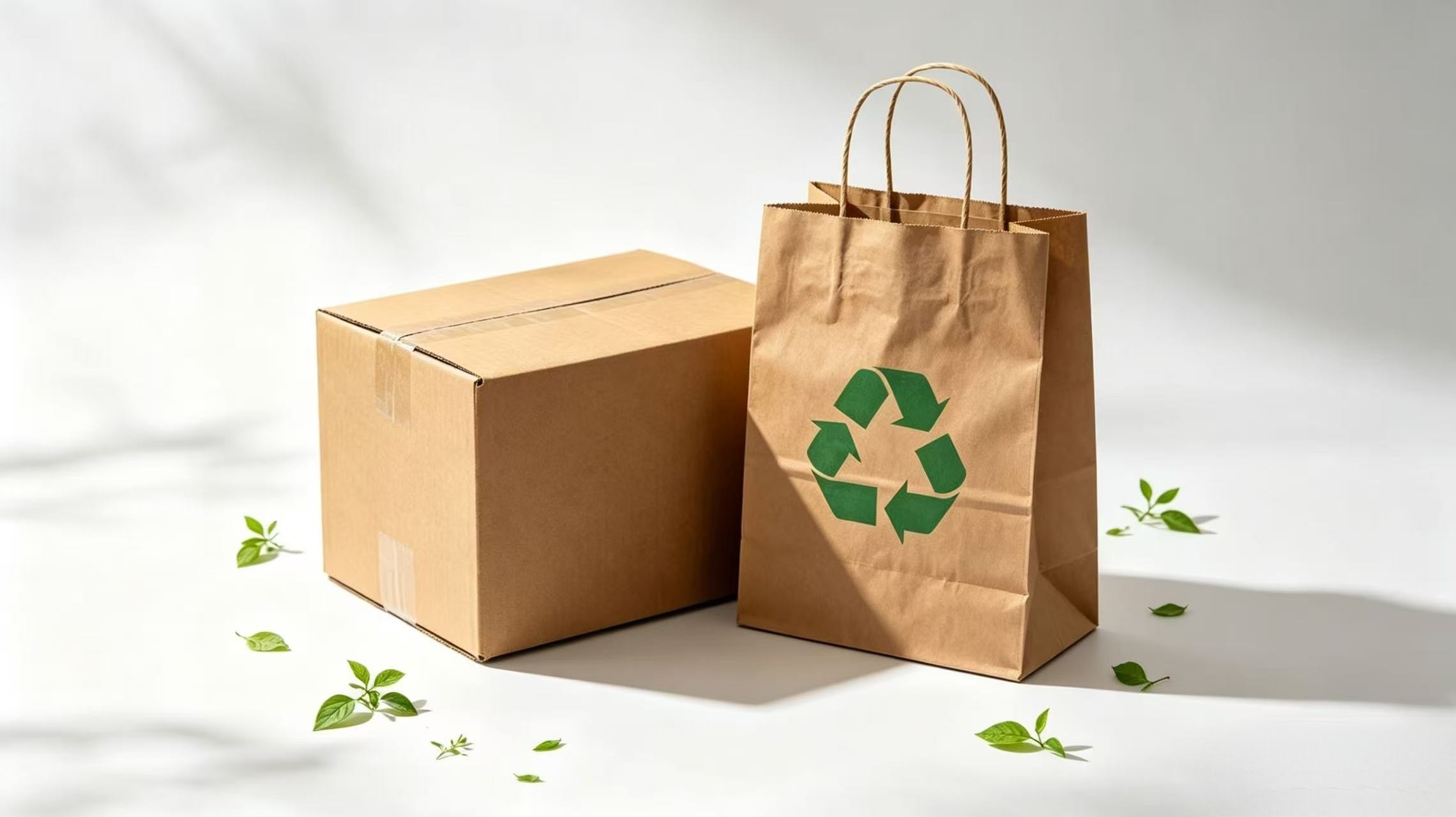
In the first half of 2026 the global packaging industry has witnessed a decisive shift toward sustainable solutions driven by tightening environmental regulations across the European Union the United Kingdom and North America For manufacturers and exporters of paper boxes corrugated cartons paper bags and biodegradable mailers this transformation is not merely a trend it is becoming the baseline for market access across all high value developed trade markets around the globe Enterprises that hesitate to upgrade their production systems will lose core market eligibility while forward thinking factories gain solid long term advantages in intensified international trade competition
Since January 2026 the EU’s updated Packaging and Packaging Waste Regulation PPWR has mandated that all packaging placed on the EU market must be recyclable or reusable by 2030 with clear intermediate compliance targets taking effect from this calendar year These staged targets restrict the circulation of composite packaging hard to separate for recycling step by step Similarly Canada has expanded its single use plastics ban to include a range of coated paper products widely used in e commerce delivery and food service packaging pushing international wholesale buyers to prioritize fully fiber based alternatives with traceable sustainable material records In response packaging suppliers concentrated in Asia especially leading production bases in China and Vietnam are overhauling their production workflows raw material procurement chains and internal quality control benchmarks to fully satisfy these strict cross border compliance standards
We have seen a 40% increase in inquiries for recycled content paper bags and FSC certified corrugated boxes since Q4 2025 said Michael Chen sales director at a prominent packaging exporter headquartered in Shenzhen Buyers from Germany the Netherlands and Australia are no longer negotiating whether factories can deliver eco friendly products instead they submit precise demands for globally recognized certification documents complete cradle to gate carbon footprint records and itemized data showing the proportion of post consumer recycled content integrated into every batch of finished packaging goods
This top down regulatory pressure is rewriting the demand structure of global B2B packaging procurement Ordinary plain white paper bags printed with traditional petroleum based inks are being phased out for products made with non toxic water based or soy derived printing inks Laminated boxes fused with non recyclable plastic films are losing market share to advanced aqueous coated packaging that retains structural rigidity while keeping full recyclability Even traditional LDPE logistics mailers are being replaced by lightweight padded paper mailers or industrial compostable films that hold official EN13432 certification for European market entry
From the global sourcing perspective overseas importers are revising the core clauses of long term supply contracts Most commercial buyers now require suppliers to deliver not only competitive bulk pricing but also annual third party environmental audit reports and laboratory test results accepted by customs authorities in destination countries Many British distributors have introduced import surcharges for uncertified packaging imposing direct economic penalties on non compliant shipments upon port arrival
For independent packaging exporters the market message is definitive Investing in sustainable production equipment and official eco certifications is no longer an optional business upgrade but a mandatory requirement for sustainable export growth Factories with FSC GRS Global Recycled Standard and BPI compostability certifications maintain healthier profit margins and shorten customer negotiation cycles significantly Small scale manufacturers without these credentials are excluded from official tender projects released by Carrefour Lidl Walmart and other multinational retail brands which updated their internal packaging procurement standards specifically for 2026
Exporters must pay close attention to the revised unified labeling rules of the EU Under the new PPWR laws all imported commercial packaging must carry standardized sorting pictograms that mark recyclable compostable or specially sorted materials Failure to attach these legal labels will result in full container cargo rejection at customs leading to expensive storage fees return shipping costs and irreversible damage to overseas corporate credibility
On product innovation multiple Chinese packaging manufacturers have launched exclusive new product lines adapted to this global regulatory shift One standout innovation is fully recyclable honeycomb paper bubble mailers replacing plastic foam for anti collision logistics protection Another practical product is takeaway paper bags lined with plant based waterproof material removing non recyclable PE coating entirely Both items have passed authoritative German laboratory testing and are set for mass adoption in cross border e commerce and catering sectors starting Q3 2026
Logistics solutions for export packaging have also undergone sustainable reform Exporters adopt flat pack designs to reduce shipping volume lower freight expenditure and cut total carbon footprints matching the carbon verification requirements raised by eco conscious buyers QR code enabled batch tracking systems allow overseas clients to scan product printed codes and verify sustainability credentials in real time
Persistent industry challenges still exist Recycled fiber costs have climbed 12 percent higher than virgin pulp in early 2026 squeezing profit margins for small exporters with limited purchasing power Inconsistent municipal recycling infrastructure across regions creates practical barriers packaging approved as recyclable in Germany may not be processed effectively in Poland or parts of the United States Experienced exporters tailor materials and labeling to meet both international laws and local waste management realities
Industry analysts confirm 2026 will be the year packaging competition shifts from visual design differences to verifiable environmental responsibility Exporters who can provide transparent material records valid certifications and clear disposal guidelines will win lasting orders amid complex global rules Businesses sticking to outdated uncertified packaging have a rapidly closing opportunity to access premium Western markets
Whether you manufacture rigid gift boxes flexible paper bags or heavy duty corrugated shipping cartons now is the ideal time to audit your supply chain upgrade eco compliant raw materials and compile official documentation for all sustainability claims The sustainable packaging revolution is no longer a future possibility it has arrived and become the fixed new rule for all global cross border packaging trade.
 EN
EN