 EN


What Makes Personalized Paper Bags Valuable for Brand Communication
2026/10/15
How custom paper bags transform packaging into powerful brand touchpoints—driving recognition, loyalty & social shares. Discover proven strategies now.
2026/09/22
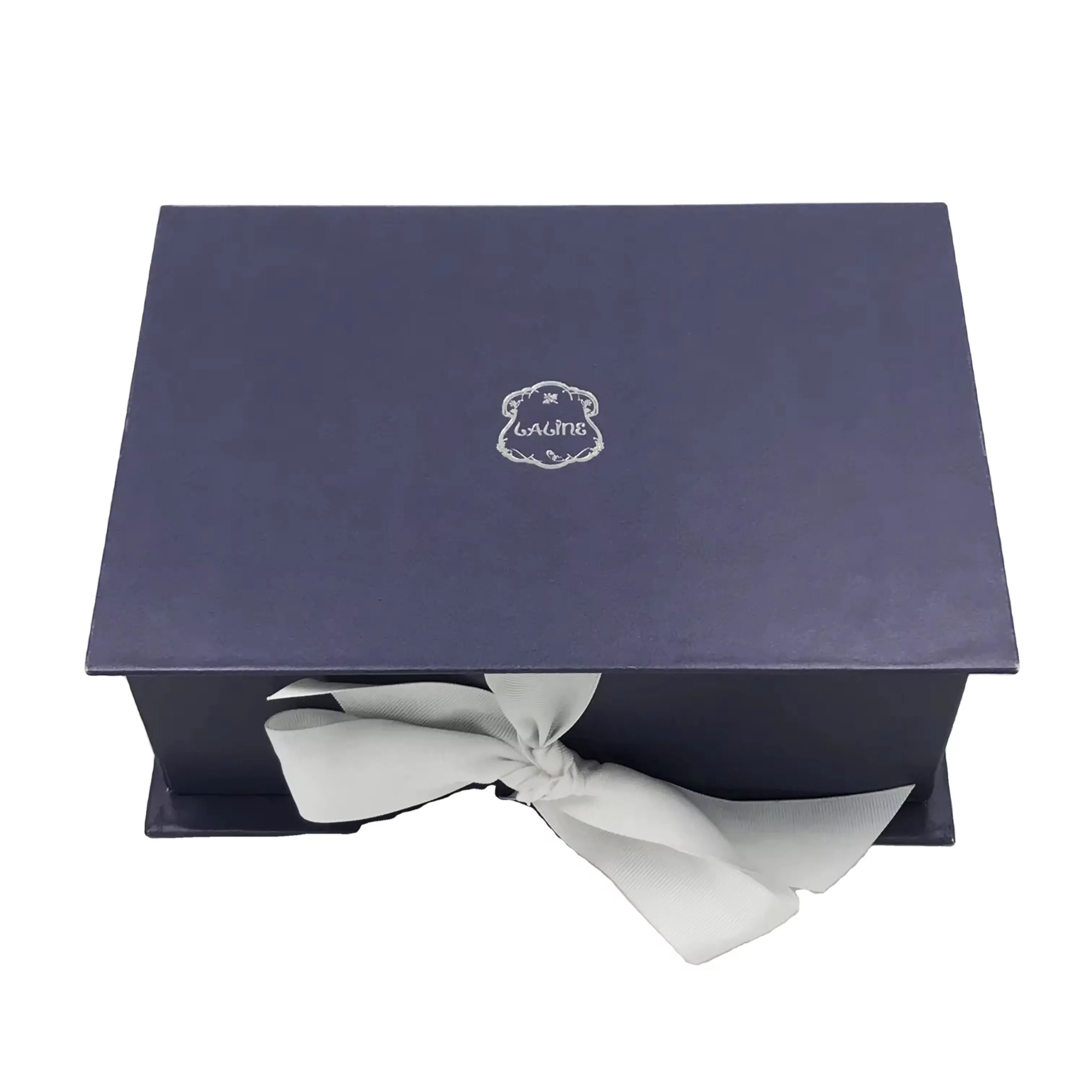
The modern supply chain demands packaging solutions that balance durability, cost efficiency, and space utilization. A foldable card paper box represents one of the most practical innovations in this space, offering manufacturers and distributors a way to dramatically reduce storage footprints while maintaining product protection during transport. Understanding how foldable card paper box structures achieve this optimization requires examining the engineering principles, material science, and design considerations that transform a simple corrugated sheet into a high-performance packaging asset.
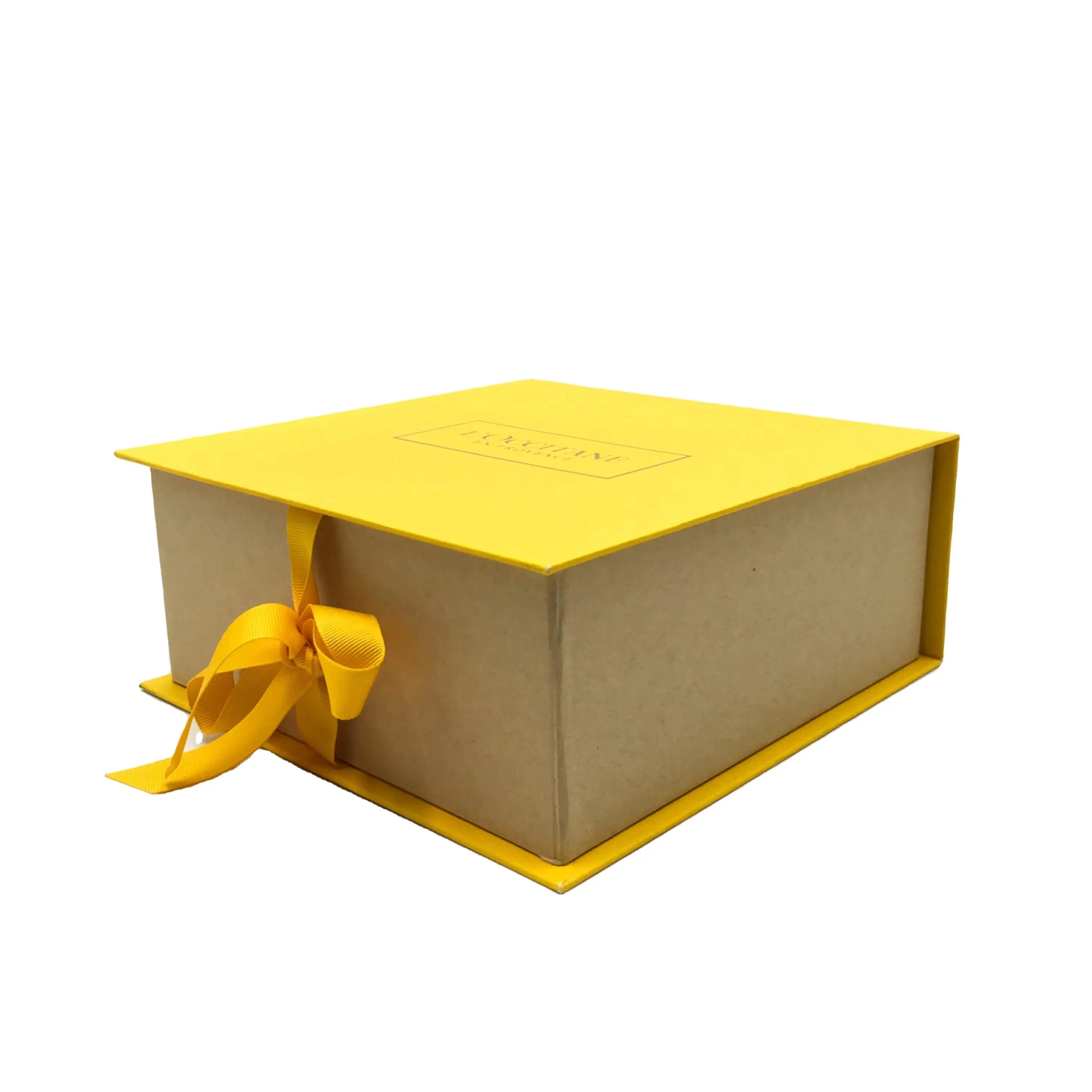
For businesses managing inventory in warehouses or distribution centers, the ability to collapse and expand a foldable card paper box directly impacts operational efficiency. When boxes arrive flat, they consume a fraction of the space compared to assembled rigid containers. This efficiency extends to transportation, where logistics providers can ship more collapsed boxes per container, reducing fuel costs and carbon footprint. The structural design of a foldable card paper box must therefore satisfy multiple competing demands: providing crush resistance when loaded, enabling quick assembly without tools, and collapsing reliably for reverse logistics or reuse cycles.
The foundation of any effective foldable card paper box lies in the corrugation pattern chosen during manufacturing. Corrugated cardboard consists of a wavy fluted layer sandwiched between flat linerboards, and the size and spacing of these flutes directly determines the box's strength-to-weight ratio. A foldable card paper box designed for heavy items typically uses B-flute or C-flute configurations, which provide greater wall thickness and stiffness without excessive material weight. For lighter applications, E-flute or micro-flute options reduce material consumption while still delivering adequate protection, making the foldable card paper box more economical and easier to handle during the collapse and expansion cycle.
The choice of flute directly affects how a foldable card paper box responds to repeated folding. Thicker flutes provide better crease recovery, meaning the box walls spring back more reliably to their original shape after being flattened. This property is critical for foldable card paper box applications in industries like e-commerce, where individual boxes may be assembled and collapsed multiple times during their lifecycle. Engineers also consider linerboard weight and quality when designing a foldable card paper box; higher-weight liners resist tearing at fold lines and maintain structural integrity through numerous collapse cycles.
A well-engineered foldable card paper box incorporates precisely scored fold lines that guide the material toward consistent bending without creating stress concentrations that lead to tearing. The scoring process—performed during box fabrication—partially cuts through the top liner and fluting without severing the bottom liner. This controlled weakening creates a hinge-like zone where a foldable card paper box naturally wants to fold, dramatically improving both assembly speed and collapse reliability. When these score lines are misaligned or insufficiently deep, a foldable card paper box becomes difficult to assemble and prone to buckling at unintended locations, reducing its storage and transport effectiveness.
The geometry of flaps and panels within a foldable card paper box must also be optimized for minimal overlap when collapsed. Designers calculate panel lengths and angles to ensure that when a foldable card paper box is flattened, all edges nest together cleanly without protruding elements that would increase the package's footprint. This optimization extends to the placement of closing flaps and reinforcement strips, which in a well-designed foldable card paper box fold inward during collapse rather than creating bulky external protrusions. Advanced software modeling allows engineers to simulate thousands of fold-unfold cycles, identifying potential failure points before a foldable card paper box enters production.
When a foldable card paper box is designed with nesting geometry in mind, collapsed units can stack with remarkable density. The top and bottom panels of adjacent collapsed boxes interlock, creating a stable block that occupies perhaps 5 to 10 percent of the assembled box's volume. This nesting capability transforms storage economics; a warehouse that previously stored 10,000 assembled boxes now holds 100,000 collapsed units in the same footprint. A properly engineered foldable card paper box therefore serves as a just-in-time inventory asset, with retailers and manufacturers assembling boxes only as demand signals arrive, dramatically reducing tied-up capital in packaging inventory.
The structural design of a foldable card paper box must accommodate this nesting without compromising stack stability. Reinforcing ribs or channels integrated into the panel structure prevent the flattened boxes from sliding or collapsing under their own weight when stacked dozens high. Some advanced foldable card paper box designs incorporate locking tabs that engage when boxes are collapsed, creating a rigid assembly that can safely support loads even in compact storage configurations. For cold chain or temperature-sensitive applications, this structural stability is particularly valuable, as a foldable card paper box maintains protective cushioning even when dozens of collapsed units are stacked in a shipping container.
Cardboard is hygroscopic, meaning it absorbs or releases moisture based on surrounding humidity levels. A foldable card paper box stored in high-humidity conditions may swell slightly, potentially affecting how tightly nested boxes fit together and how readily they collapse. Manufacturers address this by specifying the relative humidity range for foldable card paper box storage, typically 45 to 55 percent, which maintains dimensional stability and fold-line performance. When a foldable card paper box is used in environments with extreme humidity swings—such as tropical ports or arctic warehouses—the material selection becomes critical, with some producers incorporating chemical treatments or alternative facing materials that resist moisture absorption while maintaining the foldability that defines the foldable card paper box category.
The logistics advantage of a foldable card paper box extends far beyond warehouse storage. When suppliers ship collapsed boxes to retailers or fulfillment centers, a single 40-foot shipping container can hold several times more units compared to assembled boxes. This density improvement translates directly to freight cost reductions—shipping cost per unit drops dramatically when you can fit 150,000 collapsed boxes instead of 15,000 assembled boxes in the same container. For a major retailer receiving hundreds of shipments annually, the cumulative savings from optimized foldable card paper box logistics can reach six or seven figures. A well-designed foldable card paper box thus becomes a strategic cost driver, influencing supplier selection and supply chain design across entire distribution networks.
Furthermore, the reverse logistics scenario—where used boxes return for recycling or refilling—benefits from foldable card paper box optimization. Retailers and logistics providers can collapse used boxes at collection points, reducing return shipment volumes and costs. This circular economy advantage makes the foldable card paper box particularly attractive to companies pursuing sustainability goals, as the reduced transportation also means lower carbon emissions throughout the packaging lifecycle.
A high-quality foldable card paper box should assemble in seconds without requiring tape, staples, or special equipment—critical in fast-paced fulfillment environments where labor efficiency directly impacts profitability. The structural design must balance ease of assembly with collapse prevention; a foldable card paper box that assembles too easily may unexpectedly collapse under product weight, while one that requires excessive force frustrates workers and slows throughput. Engineers optimize this balance through strategic panel geometry, ensuring that when a foldable card paper box is opened from its collapsed state, panels naturally spring into the correct position and locking edges engage automatically as the box reaches its open configuration.
Different industries demand different foldable card paper box assembly profiles. E-commerce fulfillment centers prioritize speed and frequent assembly cycles, favoring simple hinge designs. Industrial equipment manufacturers value reusability and may specify foldable card paper box designs that withstand dozens of collapse-and-assembly cycles over months or years. A customized foldable card paper box solution thus begins with understanding the specific operational environment and assembly frequency, allowing structural engineers to optimize the design for that precise use case.
The durability of a foldable card paper box depends on linerboard caliper (thickness), flute type, adhesive quality, and moisture resistance. Heavier liners and thicker flutes provide better crush strength and crease recovery, while premium adhesives ensure the fluted layer stays bonded to liners through repeated folding cycles. For demanding applications, some foldable card paper box manufacturers apply water-resistant coatings or select kraft liners that resist tear propagation along fold lines.
A well-designed foldable card paper box typically withstands 10 to 20 collapse-and-assembly cycles before material fatigue becomes visible. This varies based on flute type, linerboard weight, and storage conditions. Some industrial-grade foldable card paper box designs engineered for reusable systems maintain functionality for 50+ cycles, though most single-use applications simply recycle the cardboard after first use rather than tracking multiple lifecycles.
Yes, a properly engineered foldable card paper box provides excellent protection when specified with appropriate corrugation strength and combined with internal cushioning materials like foam inserts or air pillows. The collapsibility doesn't reduce crush strength when the box is assembled and loaded. Many industries—including electronics, pharmaceuticals, and specialty retail—rely on foldable card paper box designs as their primary protective packaging, demonstrating that collapsed convenience and product security are not mutually exclusive.

2026/10/15
How custom paper bags transform packaging into powerful brand touchpoints—driving recognition, loyalty & social shares. Discover proven strategies now.
2026/10/13
How custom paper bags transform unboxing into brand advocacy, increase retention, and deliver ROI. Discover data-backed CX benefits for retailers & award businesses.

2026/10/08
How custom paper bags with logo printing boost retail brand visibility, customer loyalty & ROI. Discover proven strategies, materials & printing methods. Get expert insights now.

2026/10/06
How custom paper bags logo printing turns customers into brand ambassadors. Increase recall, loyalty & ROI—get proven strategies now.

2026/10/01
Struggling with warehouse space, shipping costs, and slow assembly? Foldable card paper box design cuts storage by 80%, slashes transport weight, and speeds up packing by 60%. Discover how.

2026/09/17
How custom paper bags with logo printing drive brand visibility, loyalty & sustainability. Turn packaging into powerful marketing—get started today.