 EN


What Makes Personalized Paper Bags Valuable for Brand Communication
2026/10/15
How custom paper bags transform packaging into powerful brand touchpoints—driving recognition, loyalty & social shares. Discover proven strategies now.
2026/09/08

The choice of materials in a foldable card paper box directly determines its structural integrity, protective capabilities, and visual impact. Whether you're packaging apparel, jewelry, cosmetics, or electronics, the material composition dictates how effectively your foldable card paper box shields contents, maintains its shape during transit, and communicates brand value at the point of unboxing. Understanding these material influences is essential for businesses seeking reliable, cost-effective packaging that performs consistently across supply chains and customer touchpoints.

A foldable card paper box must balance multiple performance demands: crush resistance during stacking, tear resistance during handling, flexibility during folding, and aesthetic appeal for brand presentation. The material foundation determines whether your foldable card paper box meets these requirements cost-effectively. From the substrate weight to the coating technology, each material decision compounds throughout the packaging lifecycle, affecting warehouse efficiency, logistics costs, and customer satisfaction. This guide explores the critical material factors that shape foldable card paper box performance in real-world industrial and commercial applications.
The basis weight of cardstock is the foundation of foldable card paper box structural performance. Measured in grams per square meter (gsm), this metric directly correlates with crush resistance, puncture resistance, and overall durability. A foldable card paper box made from 250-gsm cardstock will outperform a 200-gsm alternative in stacking environments, while remaining flexible enough for reliable folding at the creases. Most premium foldable card paper box applications require 250-350 gsm to ensure contents remain protected without excessive material waste or cost inflation.
Heavier substrates provide additional benefits for a foldable card paper box: improved dimensional stability in humid or temperature-variable conditions, enhanced printability for sharper color reproduction, and increased perceived value at the point of purchase. However, excessive weight increases shipping costs and material consumption, making the selection of optimal gsm a critical economic and performance decision. Manufacturers typically balance foldable card paper box performance against cost by selecting materials in the 280-320 gsm range for general applications, adjusting upward for fragile goods or luxury positioning.
The fiber content of cardstock fundamentally shapes a foldable card paper box's mechanical properties and environmental profile. Virgin fiber pulp delivers superior tear strength and flexibility for a foldable card paper box, making it ideal for applications requiring repeated folding without cracking or delamination. Recycled fiber content reduces raw material costs and environmental impact, but typically results in slightly reduced burst strength and stiffness compared to virgin alternatives. A foldable card paper box composed of 100% virgin fiber commands higher material costs but provides maximum protection for high-value contents, while blended compositions balance performance and sustainability.
The bleaching and pulping process used to create cardstock also influences foldable card paper box performance characteristics. Mechanical pulping produces softer, more flexible materials suitable for boxes requiring extensive folding, while chemical pulping creates stronger, more rigid structures better suited to structural load-bearing applications. For a foldable card paper box intended for jewelry or electronics, the fiber source and processing method must be selected to provide both rigidity and fold longevity, preventing premature crease failures during repeated open-close cycles in retail or customer use.
The coating applied to foldable card paper box substrate significantly impacts print quality, tactile perception, and protective performance. Clay coatings create a smooth, bright surface that accepts premium color reproduction and specialty finishes, making a foldable card paper box appear more luxurious and brand-differentiated. A matte clay-coated foldable card paper box projects understated sophistication, while a gloss-coated variant reflects light and enhances color vibrancy for high-impact visual presentation. The coating thickness, typically 20-40 microns, must be balanced to avoid excessive brittleness that could compromise fold integrity.
Modern foldable card paper box designs increasingly employ hybrid coating systems combining matte and gloss elements to achieve visual distinction while maintaining structural reliability. Aqueous coatings provide environmental benefits compared to solvent-based alternatives, though they may require adjusted formulations to ensure a foldable card paper box achieves optimal water resistance. For applications where moisture exposure is likely, such as cosmetics or food-adjacent packaging, the coating selection becomes a critical performance determinant, preventing ink migration and protecting contents from humidity infiltration.
Specialty barrier coatings transform a standard foldable card paper box into an active protective package for moisture-sensitive or high-value contents. Wax-based or polyethylene coatings create hydrophobic surfaces that repel water and prevent moisture migration into a foldable card paper box during humid storage or wet-environment handling. For pharmaceutical or supplement packaging, barrier properties become regulatory and performance imperatives, ensuring a foldable card paper box maintains product stability and integrity throughout its shelf life. These coatings add 5-15% to material costs but provide essential value in demanding applications.
Antimicrobial coatings represent an emerging technology for specialized foldable card paper box applications, particularly in medical device, food, and personal care sectors. These surface treatments inhibit microbial growth on box surfaces, reducing contamination risk during storage and transportation. The durability and efficacy of antimicrobial-treated foldable card paper box materials depend on proper coating formulation and substrate preparation, making material selection a science-backed decision rather than a commodity choice.
A foldable card paper box constructed from laminated substrate layers delivers superior burst strength and protection compared to single-ply alternatives. Two-ply or three-ply constructions bond individual cardstock layers using adhesive systems that distribute structural stress and prevent catastrophic failure under load. For a foldable card paper box containing fragile items or heavy products, multi-ply laminates ensure the box maintains integrity throughout the supply chain, resisting crushing, puncture, and edge compression. The adhesive formulation must be selected to maintain laminate cohesion during fold processing, preventing delamination at crease lines.
The lamination system choice directly impacts foldable card paper box manufacturing efficiency and cost. Hot-melt adhesive systems enable rapid production and provide immediate layer bonding, while pressure-sensitive and moisture-cured alternatives offer flexibility for specialized applications. For a foldable card paper box manufactured in high-volume commercial environments, the lamination technology must balance adhesive strength against processing speed, ensuring consistent quality without production bottlenecks. Improper laminate adhesion creates unacceptable waste rates and compromises box performance in field conditions.
The edge crush test measures a foldable card paper box material's resistance to lateral compression, simulating real-world stacking scenarios in warehouses and retail environments. Material selection directly determines edge crush test performance, with heavier basis weights and optimized fiber orientation providing superior crush resistance. A foldable card paper box must achieve minimum edge crush values appropriate to its application context: jewelry boxes require 3-4 kN/m, while shipping containers demand 6-8 kN/m or higher. Testing and material selection against these benchmarks prevents field failures that compromise product integrity and brand reputation.
Manufacturing processes, including calendering and hot pressing, modify the physical properties of foldable card paper box materials to enhance crush resistance without increasing basis weight. Post-manufacturing conditioning and humidity control during storage and transportation influence foldable card paper box performance, as moisture absorption degrades mechanical properties. Material selection must account for storage conditions and transit environments, ensuring a foldable card paper box maintains performance specifications across supply chain variables.
Most commercial applications use 250-350 gsm cardstock for a foldable card paper box. This range provides excellent crush and puncture resistance while remaining flexible enough for reliable folding. Luxury items or high-value contents may require 350+ gsm, while lighter applications like greeting cards can use 200-250 gsm. Evaluate your specific product weight, stacking height during storage, and shipping distance to determine the optimal foldable card paper box material weight for your application.
Coatings enhance a foldable card paper box's print quality, visual appeal, and protective capabilities at the expense of 10-20% higher material costs. Clay coatings improve color reproduction and tactile perception, while barrier coatings add moisture and oxygen resistance for sensitive contents. The cost-benefit analysis depends on your target market positioning: a foldable card paper box for premium jewelry benefits significantly from enhanced coatings, while basic shipping containers may not justify the investment. Always evaluate coating ROI against brand value and product protection requirements.
Recycled-content foldable card paper box materials provide good performance at lower cost and environmental impact, though they typically exhibit 5-10% lower burst strength and stiffness compared to 100% virgin fiber options. Blended formulations combining recycled and virgin fibers offer a balanced solution, maintaining performance while supporting sustainability goals. Material selection depends on your application requirements: a foldable card paper box for lightweight, non-fragile items tolerates recycled content well, while high-protection applications benefit from virgin fiber's superior structural properties.

2026/10/15
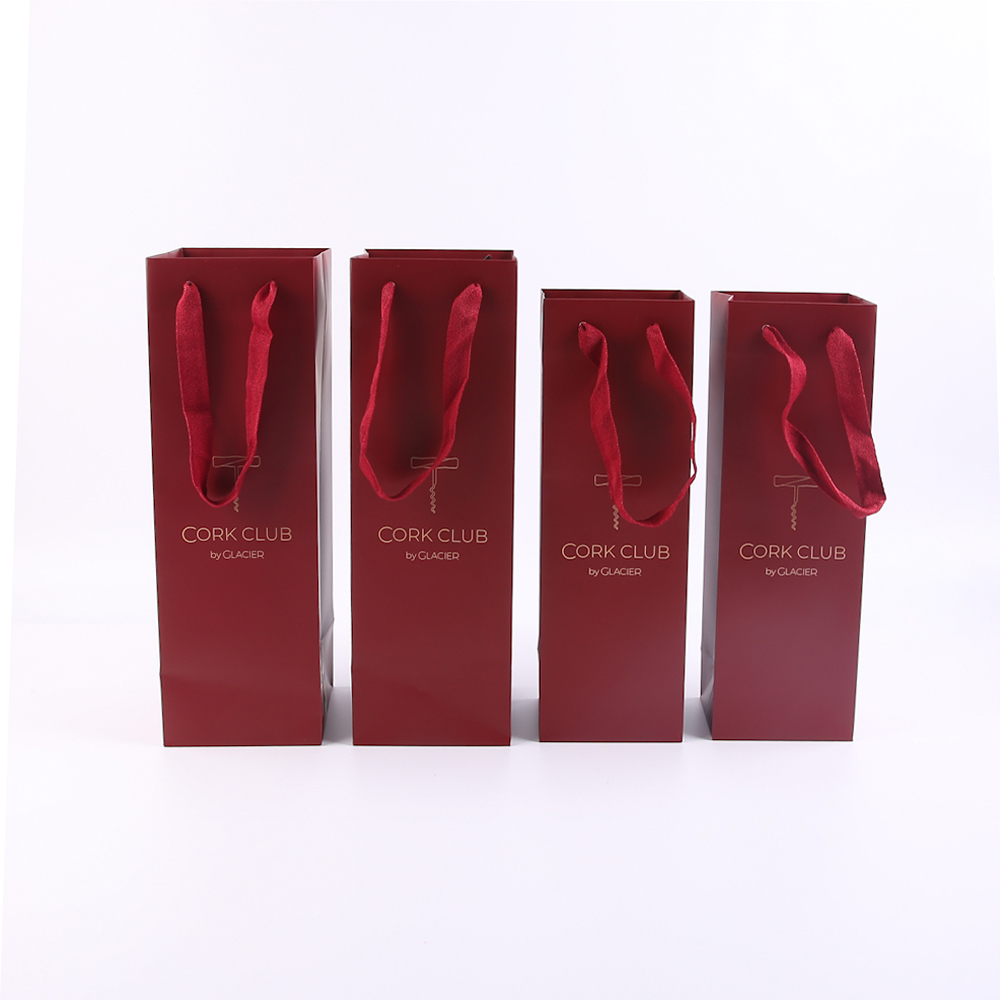
How custom paper bags transform packaging into powerful brand touchpoints—driving recognition, loyalty & social shares. Discover proven strategies now.
2026/10/13
How custom paper bags transform unboxing into brand advocacy, increase retention, and deliver ROI. Discover data-backed CX benefits for retailers & award businesses.

2026/10/08
How custom paper bags with logo printing boost retail brand visibility, customer loyalty & ROI. Discover proven strategies, materials & printing methods. Get expert insights now.

2026/10/06
How custom paper bags logo printing turns customers into brand ambassadors. Increase recall, loyalty & ROI—get proven strategies now.
2026/10/01
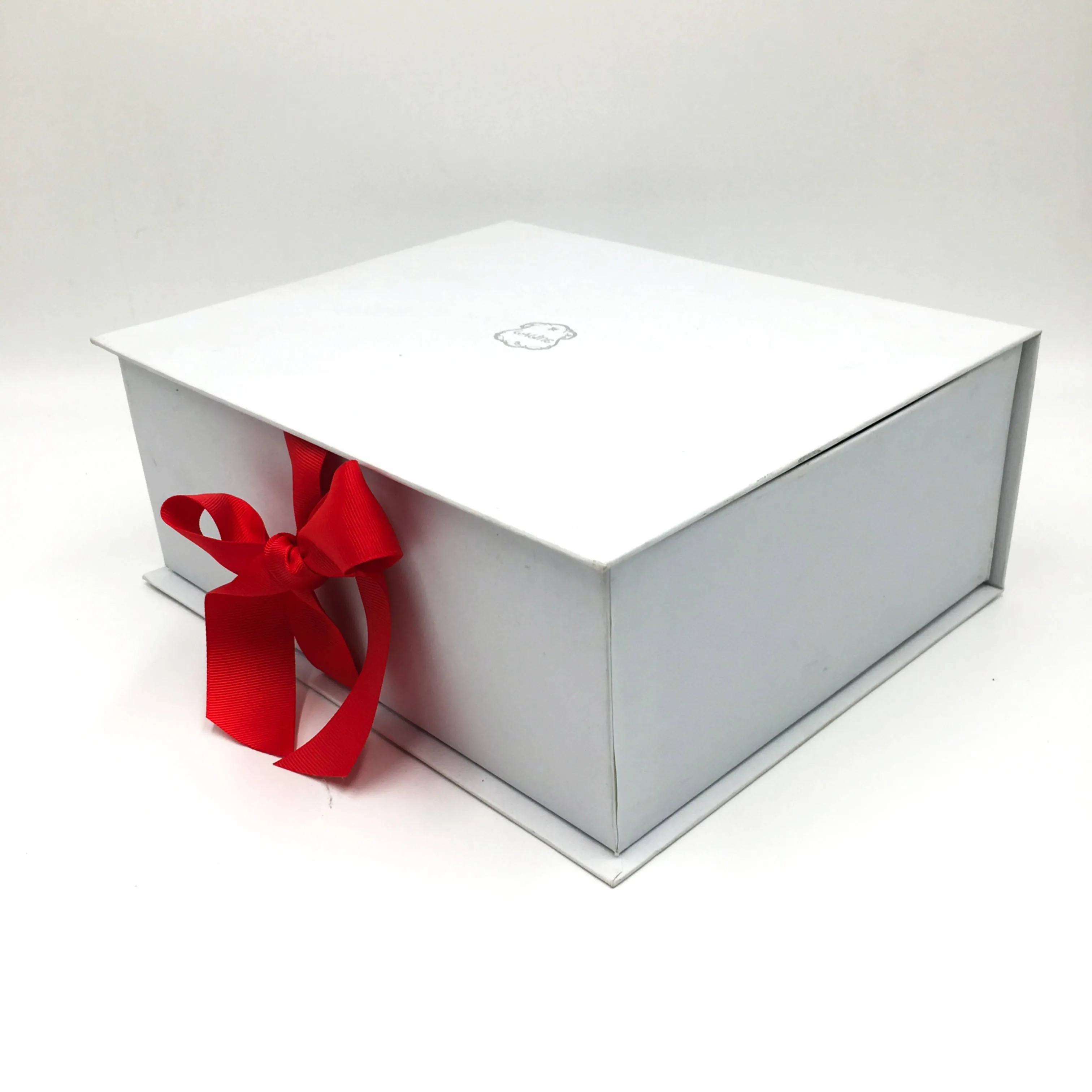
Struggling with warehouse space, shipping costs, and slow assembly? Foldable card paper box design cuts storage by 80%, slashes transport weight, and speeds up packing by 60%. Discover how.

2026/09/17
How custom paper bags with logo printing drive brand visibility, loyalty & sustainability. Turn packaging into powerful marketing—get started today.